Leviticus 11 and Deuteronomy 14

Fit to eat

Clean animals

Not fit to eat

Unclean animals

Land animals

Both signs together. Deuteronomy 14:4-5 gives the names. Leviticus 11:3 gives the rule.

Chews the cud+Hoof split in two

OxDt 14:4 · the cow on the chart. It chews the cud and the hoof is split.
SheepDt 14:4 · chews the cud, and the hoof is split.
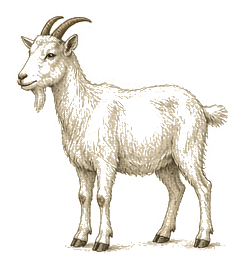
GoatDt 14:4 · chews the cud, and the hoof is split.
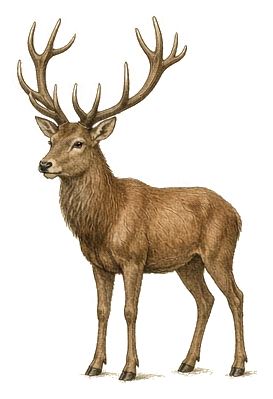
DeerDt 14:5 · the deer on the chart.
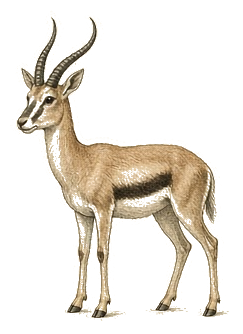
GazelleDt 14:5 · Heb. tsebi.
Added
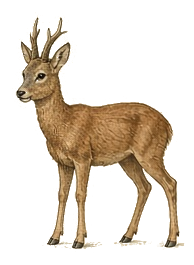
Roe deerDt 14:5 · Heb. yahmur.
Added
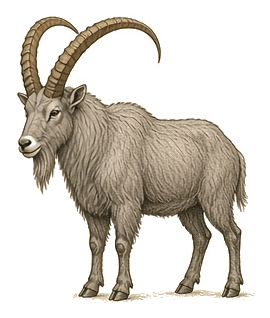
Wild goatDt 14:5 · Heb. ako.
Added
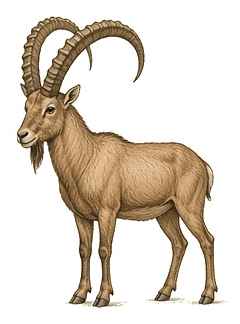
IbexDt 14:5 · Heb. dishon. The exact species is debated.
Added
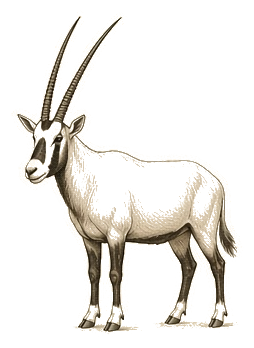
AntelopeDt 14:5 · Heb. teo. Drawn here as an oryx.
Added
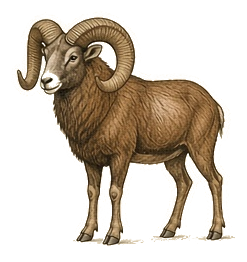
Mountain sheepDt 14:5 · Heb. zemer.
Added
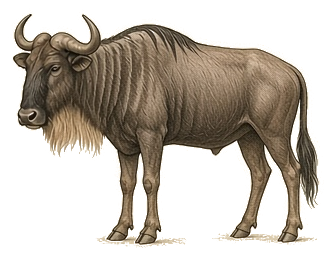
WildebeestChews the cud and the hoof is split. Lv 11:3. The chapter does not name it.
Example
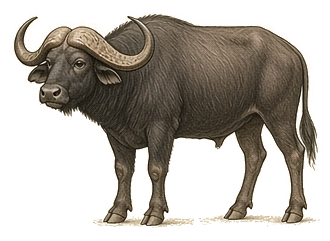
Water buffaloWater buffalo. Chews the cud and the hoof is split. Lv 11:3. The chapter does not name it.
Example
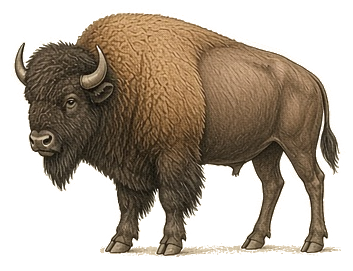
BisonChews the cud and the hoof is split. Lv 11:3. The chapter does not name it.
Example
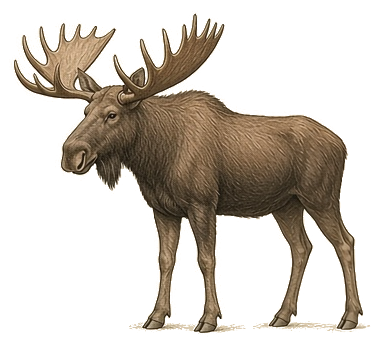
MooseChews the cud and the hoof is split. Lv 11:3. The chapter does not name it.
Example
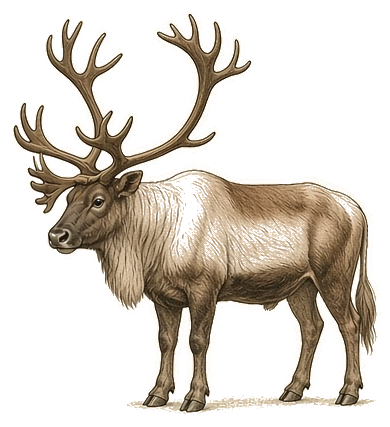
ReindeerChews the cud and the hoof is split. Lv 11:3. The chapter does not name it.
Example
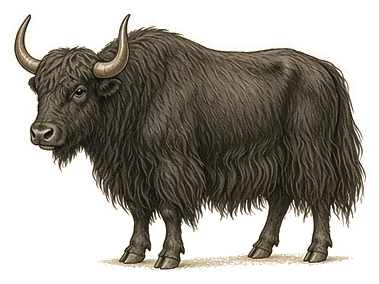
YakChews the cud and the hoof is split. Lv 11:3. The chapter does not name it.
Example
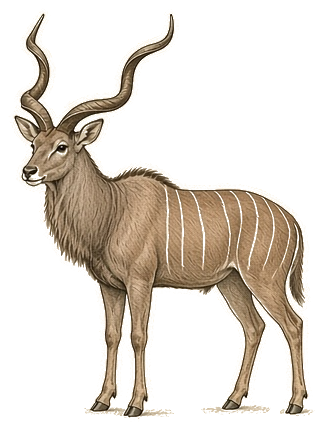
KuduChews the cud and the hoof is split. Lv 11:3. The chapter does not name it.
Example
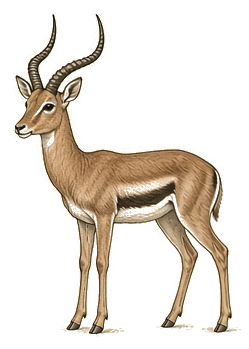
ImpalaChews the cud and the hoof is split. Lv 11:3. The chapter does not name it.
Example
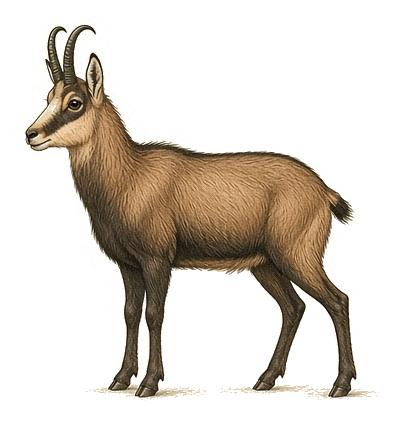
ChamoisA European mountain goat-antelope. It chews the cud and the hoof is split. Lv 11:3. The chapter does not name it.
Example
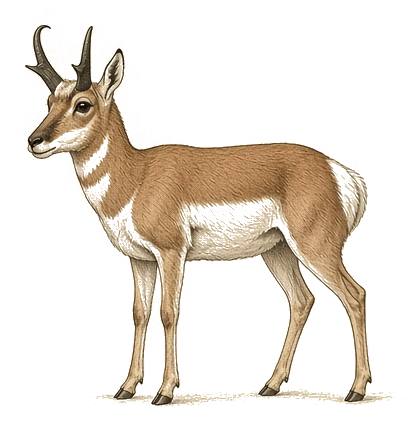
PronghornMexico and western North America. It chews the cud and the hoof is split. Lv 11:3. It is not the antelope of Dt 14:5.
Example

Land animals

It lacks one of the two signs, or it lacks both. Lv 11:4-8 and 26. The chapter names four: the camel, the hyrax, the hare, and the pig. The rest are examples, and the list is not closed.

Does not chew the cud, or the hoof is not split, or neither

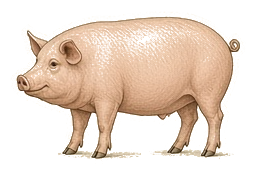
PigLv 11:7 · a split hoof, and it does not chew the cud. In 1909: swine.
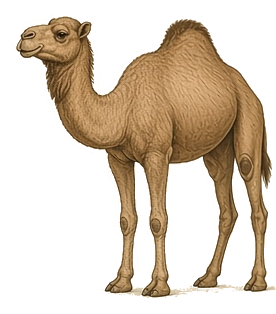
CamelLv 11:4 · it chews the cud, and the text says the hoof is not split.
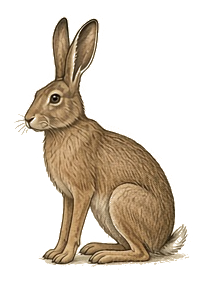
HareLv 11:6 · Heb. arnebet. It chews the cud; the hoof is not split.
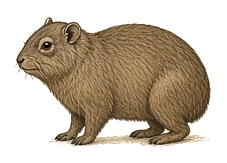
HyraxLv 11:5 · rock hyrax, Heb. shafan. The chart says rock rabbit.
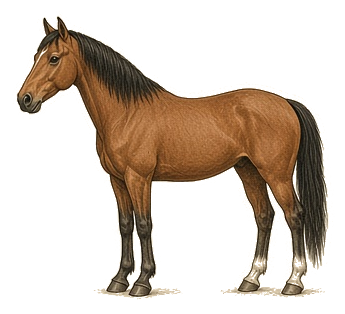
HorseLv 11:26 · a single hoof, and it does not chew the cud. The chapter does not name it.
Example
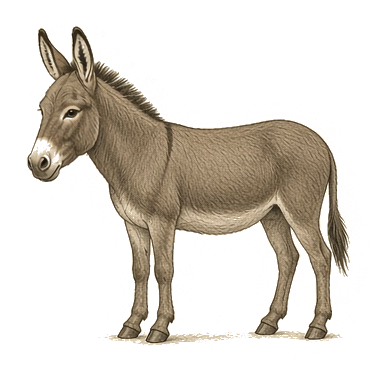
DonkeyA single hoof, and it does not chew the cud. Lv 11:26. The chapter does not name it.
Example
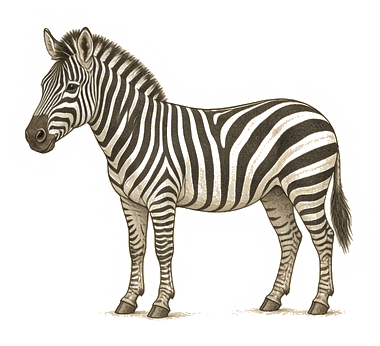
ZebraA single hoof, like the horse. Lv 11:26.
Example
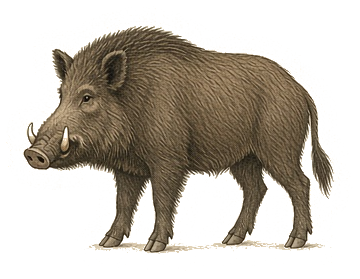
Wild boarA split hoof, and it does not chew the cud. The same rule as the pig. Lv 11:7.
Example
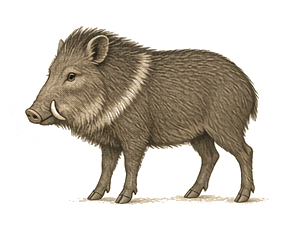
PeccaryA split hoof, and it does not chew the cud. It is not the pig of the verse, and the rule covers it.
Example
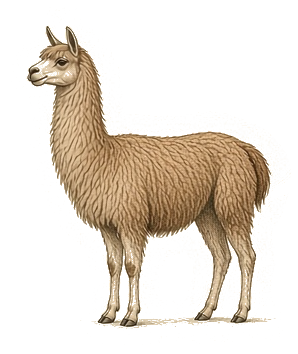
LlamaIt chews the cud, and the hoof is not split. The same case as the camel. Lv 11:4.
Example
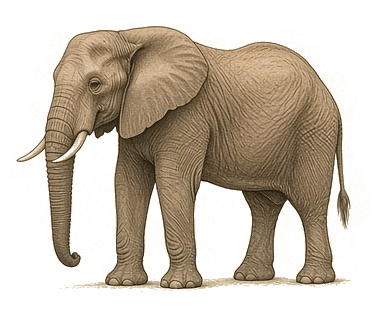
ElephantIt does not chew the cud, and the hoof is not split. Lv 11:26.
Example
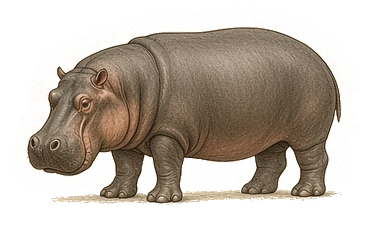
HippopotamusIt does not chew the cud, and the foot is not a split hoof. Lv 11:26.
Example
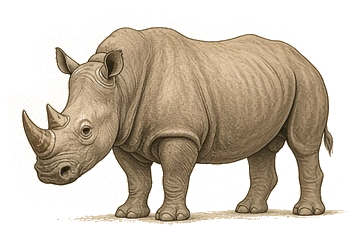
RhinocerosThree toes, and it does not chew the cud. Lv 11:26.
Example
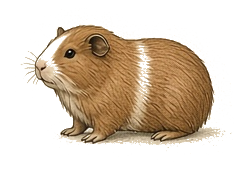
Guinea pigAlso called cuy. The Andes. A rodent: it does not chew the cud, and it has no split hoof. Lv 11:26. It is not the mouse of 11:29.
Example
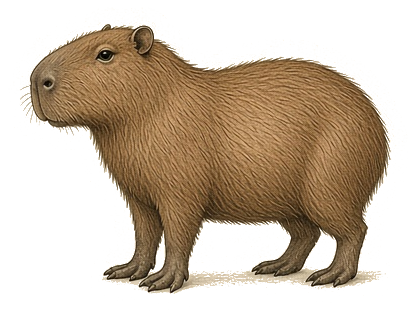
CapybaraAlso carpincho. A rodent. It has no split hoof. Lv 11:26. In Venezuela it is eaten in Lent; Leviticus does not count it as a fish.
Example
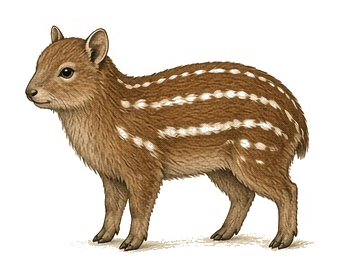
PacaAlso tepezcuintle or lapa. A rodent. It does not chew the cud, and it has no split hoof. Lv 11:26.
Example
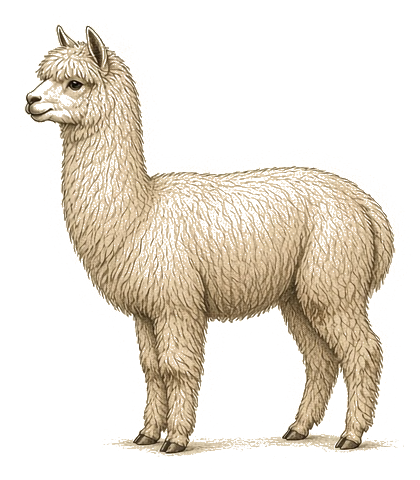
AlpacaThe Andes. It chews the cud, and the hoof is not split. The same case as the llama and the camel. Lv 11:4.
Example

Water animals

Whatever has fins and scales, in the sea and in the rivers. Lv 11:9. The chapter names no species.

Fins+Scales

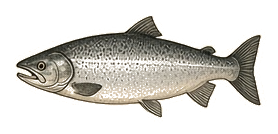
SalmonAn example with fins and scales. The chapter names no species.
Example
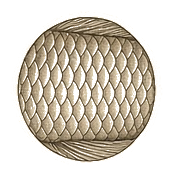
ScalesOne of the two signs. Both are required. Lv 11:9.
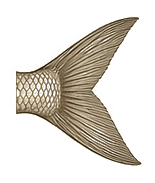
FinsThe other sign, together with the scales. Lv 11:9.
TilapiaFins and scales. A common farmed food fish. Lv 11:9.
Example
CorvinaFins and scales, from the sea. Lv 11:9.
Example
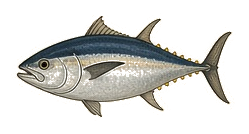
TunaFins and small scales. Lv 11:9.
Example
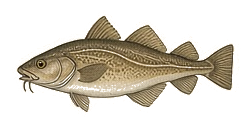
CodFins and scales. Lv 11:9.
Example
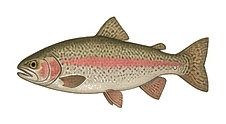
TroutFins and scales, from river or farm. Lv 11:9.
Example
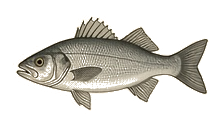
Sea bassFins and scales. Lv 11:9.
Example
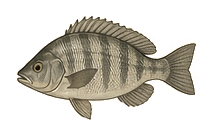
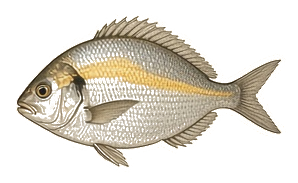
Sea breamFins and scales. Lv 11:9.
Example
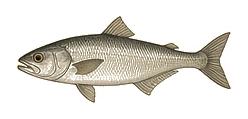
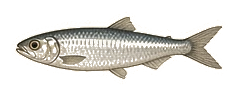
SardineFins and scales. Lv 11:9.
Example
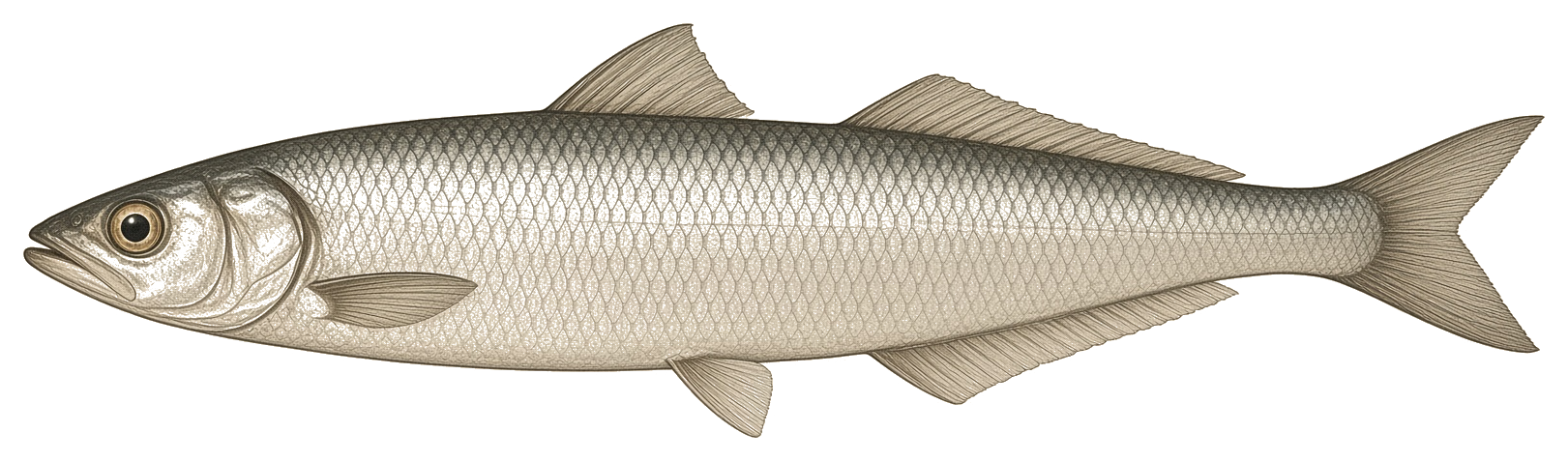
HakeFins and scales. Lv 11:9.
Example
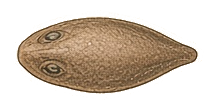
SoleFlat, with both eyes on one side. Fins and scales. Lv 11:9.
Example
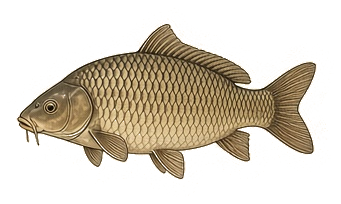
CarpFins and scales. Lv 11:9. Common in Europe and in American fish farms.
Example
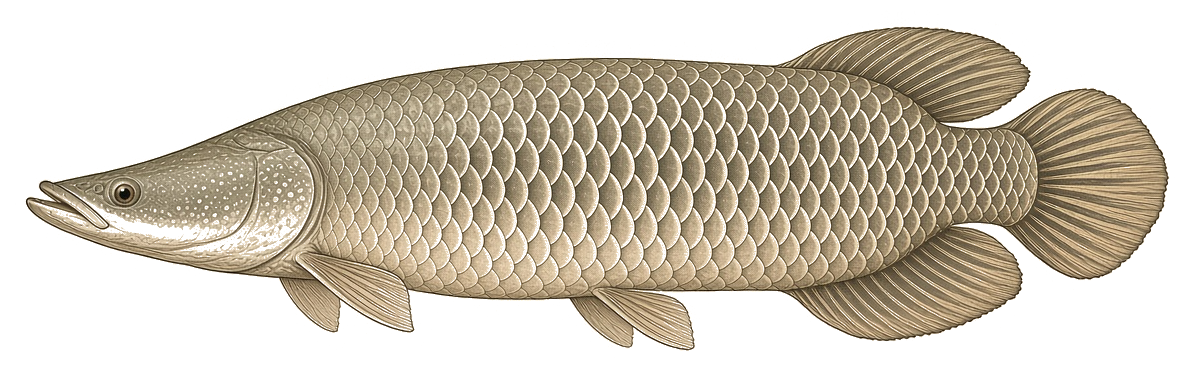
PaicheThe pirarucu of the Amazon. Fins and large scales. Lv 11:9.
Example

Water animals

Whatever does not have fins and scales together. Lv 11:10-12. The names below are examples, as on the chart.

Without both signs

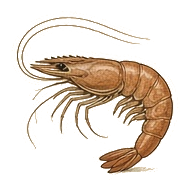
ShrimpNo fins and no scales. Lv 11:10-12.
Example
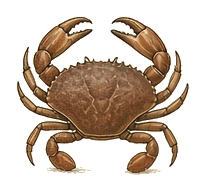
CrabThe chart names it among the shellfish.
Example
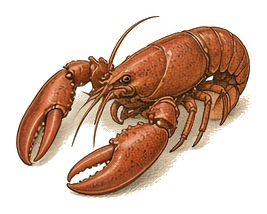
LobsterA shellfish. It is not the locust of Leviticus 11:22.
Example
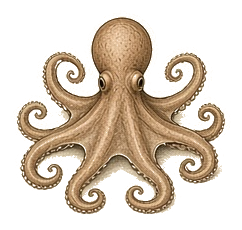
OctopusNo fins and no scales.
Example
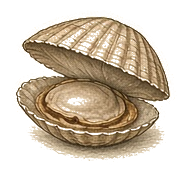
ClamA mollusk. The chart groups octopuses and mollusks.
Example
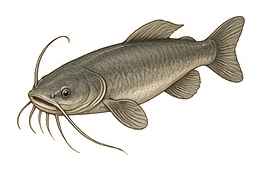
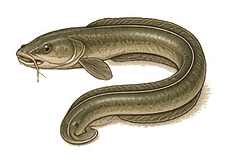
CatfishIt has fins and no scales. Both are required.
Example
EelA fish without scales. Lv 11:12.
Example
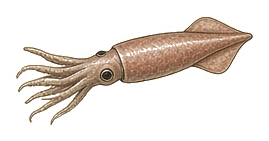
SquidNo fins and no scales. Lv 11:10-12.
Example
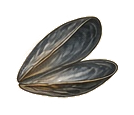
MusselA mollusk. No fins and no scales.
Example
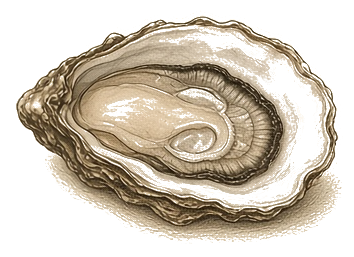
OysterA mollusk. No fins and no scales.
Example
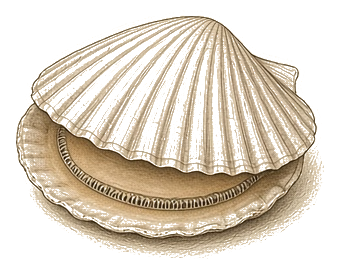
ScallopA mollusk. No fins and no scales.
Example
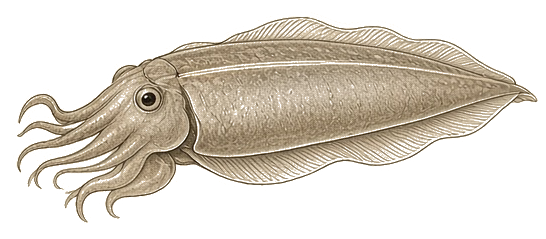
CuttlefishNo fins and no scales. Lv 11:10-12.
Example
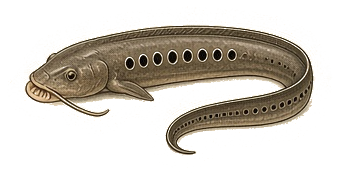
LampreyNo scales and no jaw. Lv 11:10. Eaten in Galicia, on the Miño, and in northern Portugal.
Example
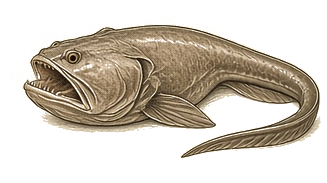
MonkfishIt has fins and no scales. Lv 11:10. In France it is called lotte.
Example
Goose barnacleA crustacean. No fins and no scales. Lv 11:10. The coast of Galicia and Portugal.
Example
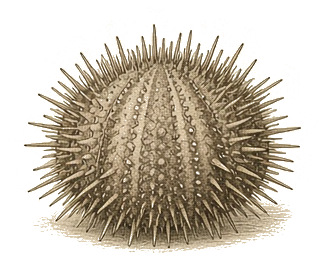
Sea urchinNo fins and no scales. Lv 11:10. The Mediterranean, the Bay of Biscay, and Chile. It is not the “hedgehog” of Lv 11:30, which is a gecko.
Example
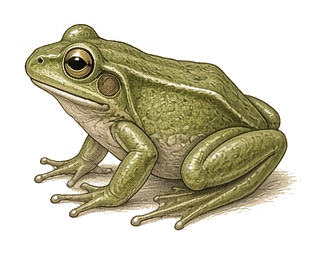
Green frogFrance and Louisiana. No fins and no scales. Lv 11:10. It is not the “frog” of 11:29: that is the tsav, a lizard.
Example

Clean birds

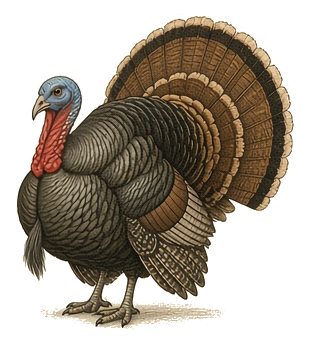
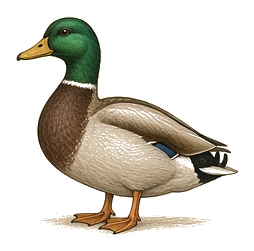
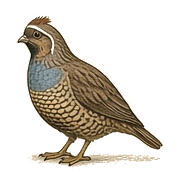
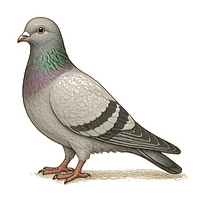
Leviticus 11 does not list the clean birds. Those that are not on the unclean list, verses 13 to 19, may be eaten. The list is not closed. The turtledove and the young pigeon are an offering in Leviticus 1:14. The quail is food in Exodus 16.

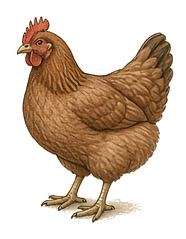
ChickenA modern example. Leviticus does not name it.
Example
TurkeyA modern example. It did not live in ancient Israel.
Example
DuckA usual example on these charts. The text does not name it.
Example
QuailFood in Exodus 16. It is not on the unclean-bird list.
TurtledoveA bird offering in Leviticus 1:14.
Added
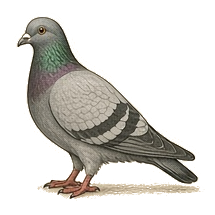
PigeonThe young pigeon of Leviticus 1:14. An offering, and so a clean bird.
Added
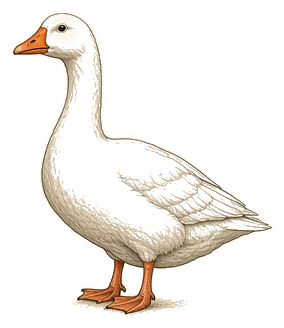
GooseA farm bird. It is not in Lv 11:13-19.
Example
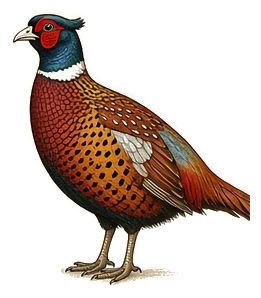
PheasantA game bird. It is not on the unclean list.
Example
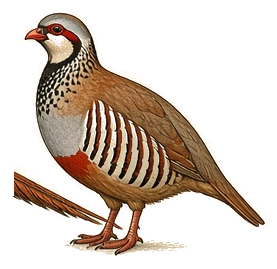
PartridgeNot in Lv 11:13-19. 1 Samuel 26:20 names it in a hunt.
Example
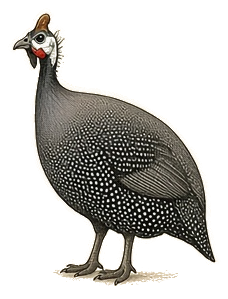
GuineafowlA farm bird. It is not on the unclean list.
Example
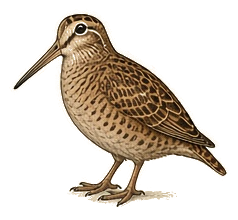
WoodcockA game bird. It is not in Lv 11:13-19.
Example
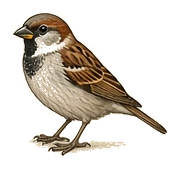
SparrowSold in the market. Matthew 10:29. It is not among the unclean.
Example
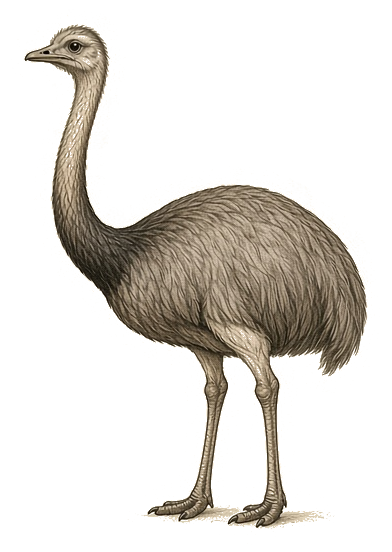
RheaArgentina, Uruguay, and southern Brazil. It is not in Lv 11:13-19. It is not the ostrich of that passage.
Example
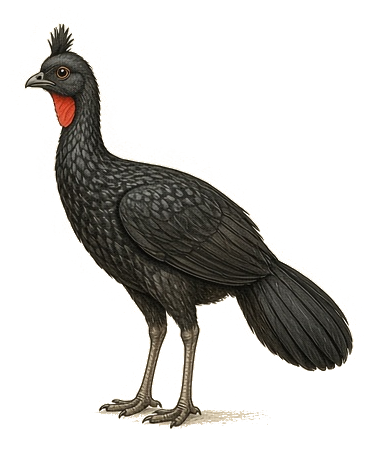
GuanFrom Mexico to the Amazon. It is not on the unclean list.
Example
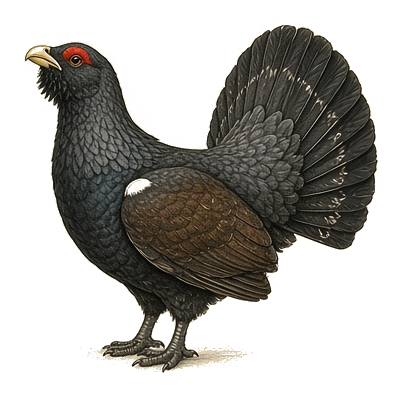
CapercaillieNorthern Spain and northern Europe. It is not in Lv 11:13-19.
Example

Unclean birds

The list in Leviticus 11:13-19, in the wording of the Reina-Valera 1960. The chart had five: vulture, eagle, owl, raven, and gull. All twenty are here.

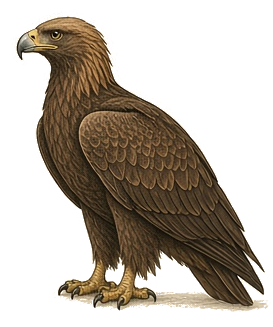
EagleLv 11:13 · Heb. nesher.
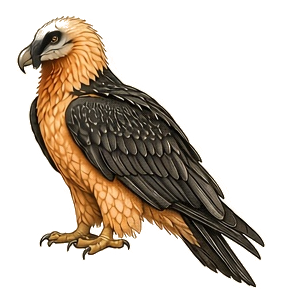
Bearded vultureLv 11:13 · Heb. peres.
Added
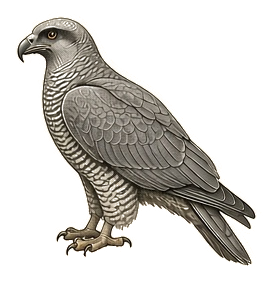
GoshawkLv 11:13 · Heb. ozniyah. See the name notes.
Added
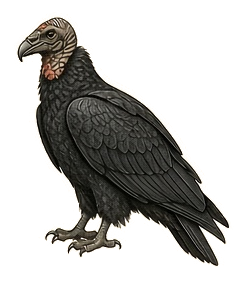
Black vultureLv 11:14 · Heb. daah. See the name notes.
Added
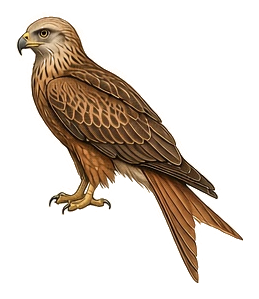
KiteLv 11:14 · after its kind. Heb. ayyah.
Added
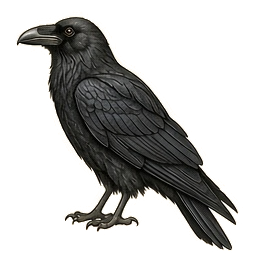
RavenLv 11:15 · after its kind.
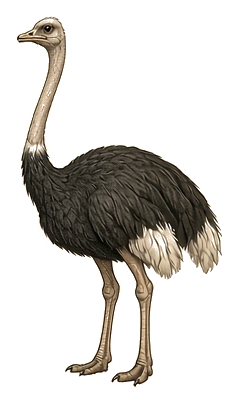
OstrichLv 11:16 · Heb. bat yaanah.
Added
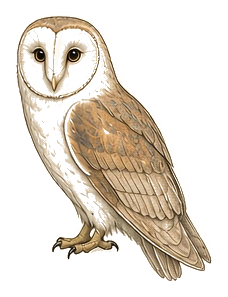
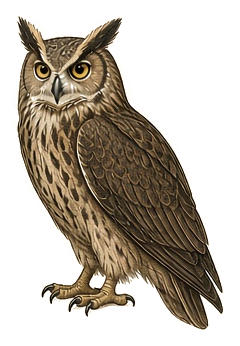
Barn owlLv 11:16.
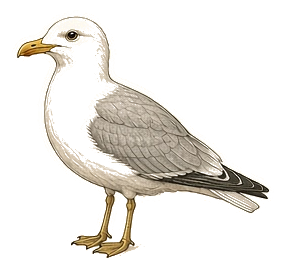
GullLv 11:16 · Heb. shachaph.
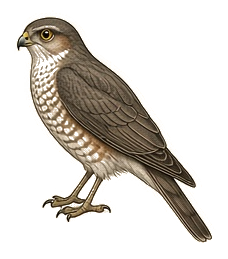
HawkLv 11:16 · after its kind.
Added
OwlLv 11:17.
Added
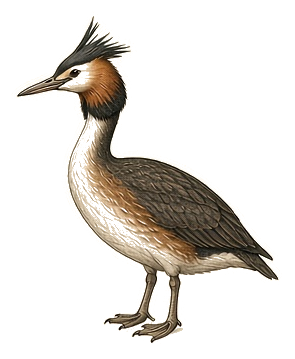
GrebeLv 11:17 · Heb. shalak. See the note.
Added
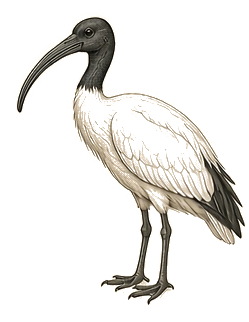
IbisLv 11:17 · Heb. yanshuf. See the note.
Added
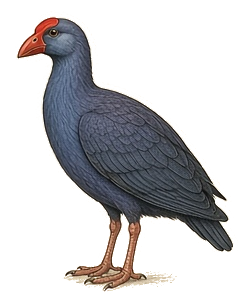
SwamphenLv 11:18.
Added
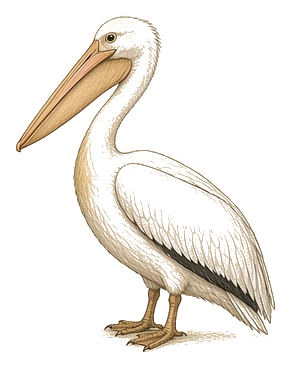
PelicanLv 11:18 · Heb. qaath.
Added
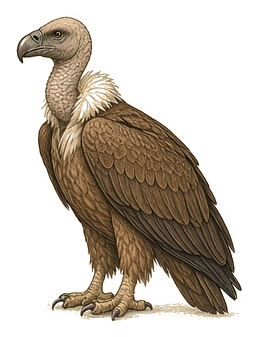
VultureLv 11:18 · Heb. racham.
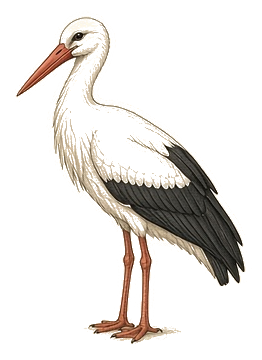
StorkLv 11:19.
Added
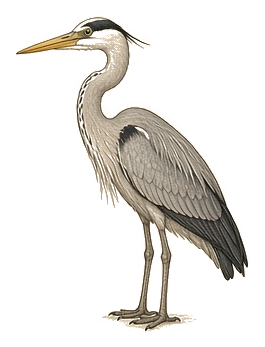
HeronLv 11:19 · after its kind.
Added
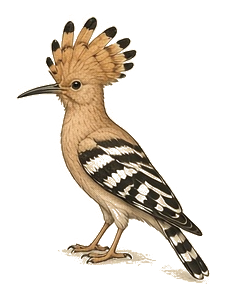
HoopoeLv 11:19 · Heb. dukhiphath.
Added
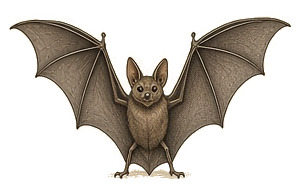
BatLv 11:19 · the text counts it among the birds.
Added

Insects that may be eaten

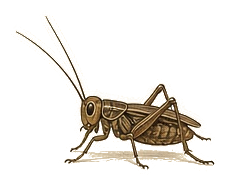
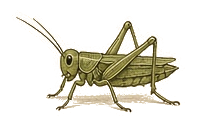
Correction. The chart places the grasshopper, the cricket, and the locust among the unfit. Leviticus 11:21-22 says four kinds with legs for leaping may be eaten: the locust, the bald locust, the cricket, and the grasshopper. Those four stand in this column. No more are added: among winged insects, only these kinds may be eaten.

Wings+Legs for leaping

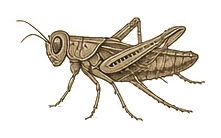
LocustLv 11:22 · Heb. arbeh. The chart placed it among the unfit.
Corrected
Bald locustLv 11:22 · Heb. solam. An insect, not the shellfish.
AddedCorrected
CricketLv 11:22 · Heb. chargol. Usually identified with the cricket.
Corrected
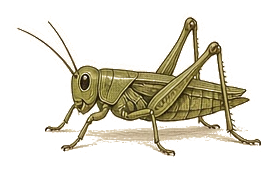
GrasshopperLv 11:22 · Heb. chagav. Usually identified with the grasshopper.
Corrected

Winged insects

Every winged insect that walks on four legs, apart from the four that leap. Lv 11:20 and 23. Deuteronomy 14:19 summarizes this without repeating the exception. Those below are examples: the text does not name them, and that unclean list is not closed.

Wings, and not one of the leapers

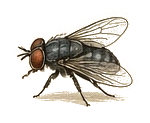
FlyA winged insect that is not one of the four that leap. Lv 11:20 and 23.
Example
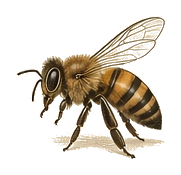
BeeAn example of the same rule. The verse does not name it.
Example
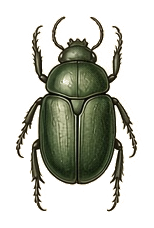
BeetleAn example. It walks and has wings, and it is not in 11:22.
Example
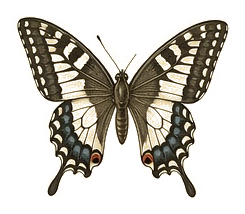
ButterflyAn example of a winged insect outside the four kinds.
Example
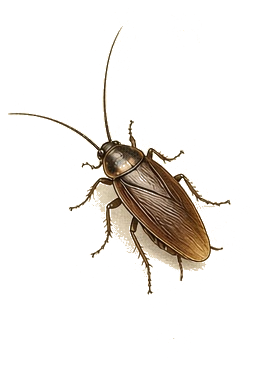
CockroachA winged insect. It is not one of the four that leap. Lv 11:20.
Example
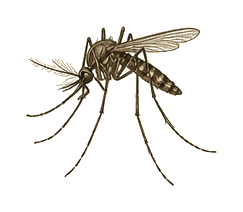
MosquitoWinged, and it is not in Lv 11:22.
Example
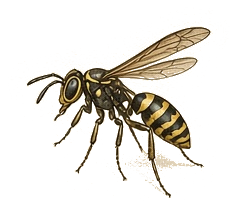
WaspAn example of the same rule. The verse does not name it.
Example
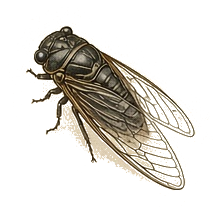
CicadaEaten in some places. It is not one of the four in Lv 11:22.
Example
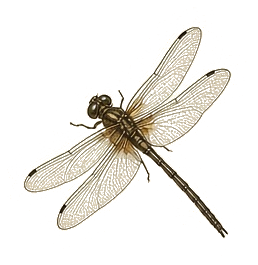
DragonflyA winged insect outside the four kinds.
Example
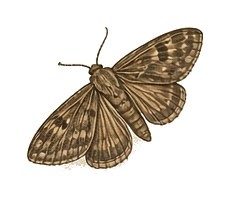
MothWinged, and it is not among those that leap. Lv 11:23.
Example

Not fit · they swarm on the ground

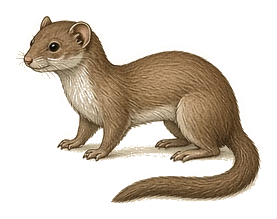
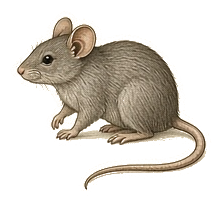
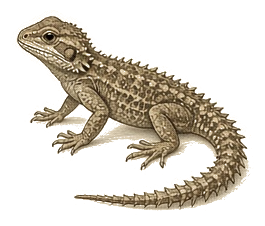
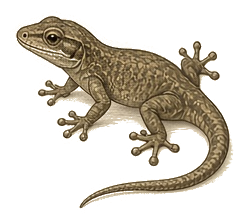
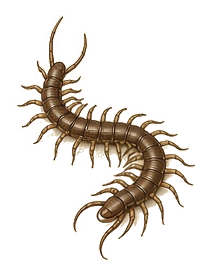
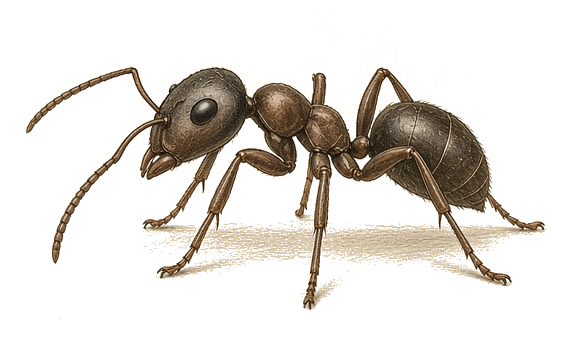
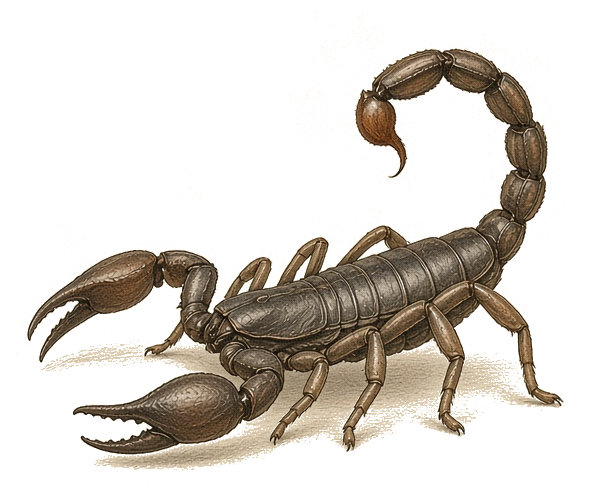
Leviticus 11:29-30 names eight. The chart does not have them. A title in quotation marks is the Reina-Valera 1960 word; the drawing follows the usual identification of the Hebrew. Verses 41 and 42 add whatever swarms on the ground, whatever goes on its belly, and whatever has many feet. Every snake falls there, not one species only. The ant and the scorpion are examples of that class, as is the centipede. They are not names in the text.

WeaselLv 11:29 · Heb. choled.
Added
MouseLv 11:29 · Heb. akhbar.
Added
“Frog”Lv 11:29 · Heb. tsav, a lizard. See the note.
Added
“Hedgehog”Lv 11:30 · Heb. anaqah, a gecko. See the note.
Added
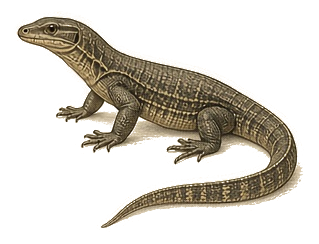
“Crocodile”Lv 11:30 · Heb. koach, a monitor. See the note.
Added
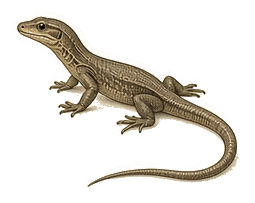
LizardLv 11:30 · Heb. letaah. In 1909: snail.
Added
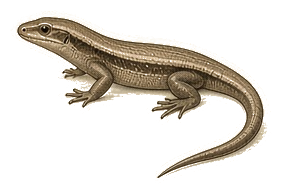
SkinkLv 11:30 · Heb. chomet, a skink. In 1909: slug.
Added
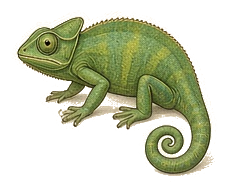
ChameleonLv 11:30 · Heb. tinshemet. In 1909: mole.
Added
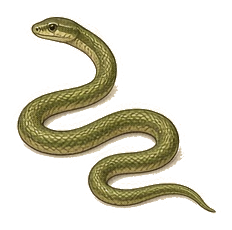
SnakeLv 11:42 · whatever goes on its belly. The text gives no name.
Example
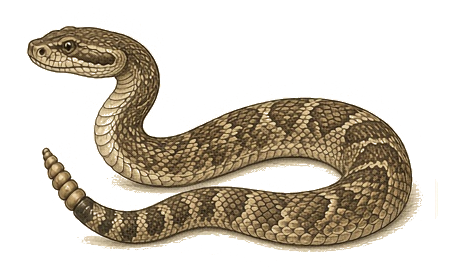
RattlesnakeA snake. It goes on its belly. Lv 11:42. The text does not name the species.
Example
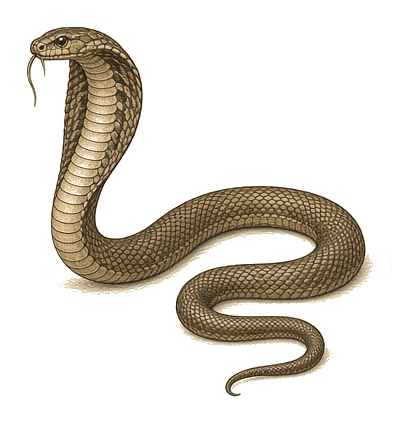
CobraA snake. The same rule in Lv 11:42.
Example
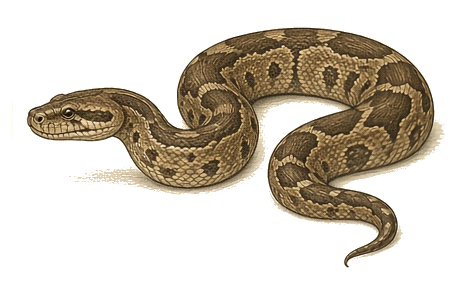
PythonA snake. It goes on its belly. Lv 11:42.
Example
CentipedeLv 11:42 · whatever has many feet. An example of the class.
Example
AntIt swarms on the ground and does not leap like the four. Lv 11:41. The text does not name it.
Example
ScorpionEight legs: it falls under whatever has many feet. Lv 11:42. It is not an insect. Luke 11:12 sets it apart from an egg.
Example
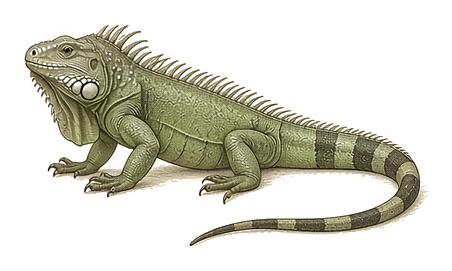
IguanaMexico, Central America, and the Caribbean. A lizard. The class of Lv 11:29-30. The chapter does not name it.
Example
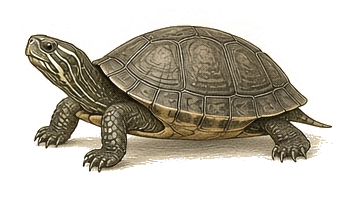
TurtleIn the water it lacks fins and scales, Lv 11:10. On land it creeps, Lv 11:42.
Example
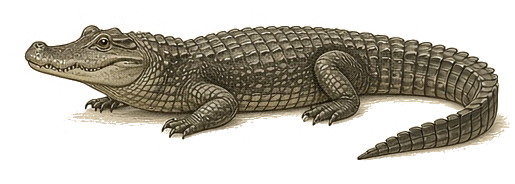
CaimanTropical America. It is not the “crocodile” of Lv 11:30, which is a monitor. It lacks the two signs of 11:3.
Example
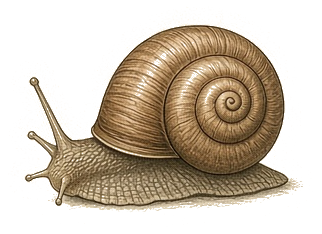
SnailFrance, Spain, and some parts of the Americas. It goes on its foot. Lv 11:42. It is not the “snail” of the 1909 Reina-Valera: there the word is the lizard of 11:30.
Example

Not fit · they walk on their paws

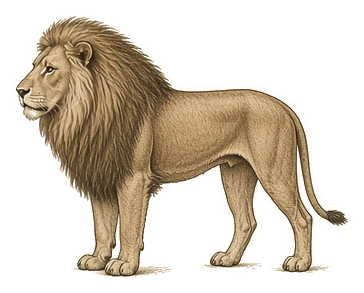
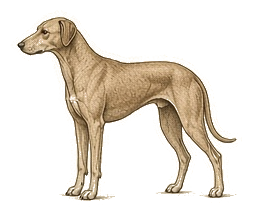
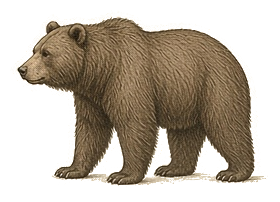
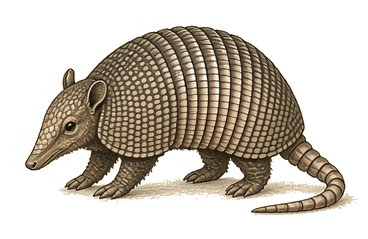
Leviticus 11:27 declares unclean whatever walks on its paws, of those that go on all fours. It gives no list of species. The lion, the dog, the bear, and the armadillo illustrate the rule.

LionIt walks on its paws. Lv 11:27 gives no names.
Example
DogAn example of the same rule.
Example
BearAn example of the same rule.
Example
ArmadilloIt walks on its claws. Lv 11:27. The chapter does not name it.
Example

Notes on the names

The titles follow the Reina-Valera 1960, the list a Spanish reader usually has in hand. Where that word does not match the Hebrew, the drawing shows the animal the term is identified with, and this table says so.

Added the Bible names it and the chart did not show itCorrected the chart placed it in the other columnExample the verse does not give this name

In the RV1960HebrewOn this plateRead with care
ConeyshafanRock hyraxIt is not the farm rabbit. The hare is another animal, the arnebet, in the next verse. The chart calls it a rock rabbit.
Hare and coney “chew the cud”arnebet, shafanHare and hyraxThe verse says they chew the cud. In present zoology they do not have a cow’s stomach: they reuse part of the food. The law sets them apart because the hoof is not split.
CamelgamalDromedaryIt has two toes joined by a pad. The text says it chews the cud and does not have a split hoof.
Ibex, antelope, mountain sheepdishon, teo, zemerIbex, oryx, mouflonDeuteronomy 14:5 names seven wild animals besides the ox, the sheep, and the goat. The exact species of these three is debated. The 1909 Reina-Valera renders dishon as “unicornio”: in those Bibles that is a wild bovid, not a beast of fable. The 1960 revision says ibex.
GoshawkozniyahBird of preyMany lexicons bring it near a black vulture. The RV1960 says goshawk.
Vulture and kitedaah and ayyahFork-tailed kite, and the kite group“After its kind” opens the whole group, not a single bird.
IbisyanshufIbisSeveral lexicons read an owl here. The RV1960 says ibis. In both cases the bird is forbidden.
GrebeshalakGrebeIt is often identified with the cormorant. The RV1960 says grebe.
Locust, bald locust, cricket, grasshopperarbeh, solam, chargol, chagavFour hoppersLeviticus 11:21-22 permits them. The chart drew them among the unfit. The solam in this verse is an insect, not the seafood lobster. Deuteronomy 14:19 summarizes that the winged insect is unclean; the exception is written in Leviticus.
FrogtsavSpiny-tailed lizardThe frog of the plagues of Egypt is a different Hebrew word. Here tsav is identified with a large lizard.
HedgehoganaqahGeckoThe RV1960 says hedgehog. The term is identified with a gecko.
CrocodilekoachMonitorIt is on the list of those that move on the ground. The RV1909 says lizard. It is usually read as a monitor, not the river crocodile.
LizardletaahLizardThe RV1909 translated “snail.”
Small lizardchometSkinkThe RV1909 translated “slug.”
ChameleontinshemetChameleonThe RV1909 says mole. The same Hebrew word, in the bird list, is rendered owl.

Studies · why the unfit are not eaten

Leviticus 11 sets these classes apart by the rule in the text. Medicine later measured, in several of them, parasites, viruses, bacteria, and toxins that pass to the person who eats them. Each note says what that study measured. The link opens the paper. Cooking and veterinary inspection lower several of these risks. Where a study speaks of raw or undercooked meat, it says so.

Pig and wild boar

From 1986 through 2009, 65,818 cases of trichinellosis and 42 deaths were documented, in 41 countries. Pork was the main source. Wild game, and with it the wild boar, was the other source reported again and again. The parasite is Trichinella. It stays in the muscle and passes to the person who eats that meat undercooked.

Murrell and Pozio, Emerging Infectious Diseases, 2011. Open the study.

The pork tapeworm, Taenia solium, closes a cycle. The pig eats human feces that contain eggs, and the cyst stays in its meat. Undercooked meat returns the adult worm to the person. That person sheds eggs. When the eggs reach a mouth, the larva settles in the tissues. In the brain this is neurocysticercosis, one of the main causes of epileptic seizures in many countries.

García, González, Evans, and Gilman, The Lancet, 2003. Open the study.

In France, figatellu, a pig-liver sausage eaten raw, carried hepatitis E virus. Of 13 people who ate it, 7 had a recent infection. Of 5 who did not eat it, none did. The virus, genotype 3, was in 7 of 12 sausages bought in supermarkets, and the sequences matched those from the patients.

Colson and colleagues, Journal of Infectious Diseases, 2010. Open the study.

Yersinia enterocolitica is taken in by mouth and, in the epidemiology, is linked to the pig. In the United States it caused six major food-borne outbreaks.

Bottone, Clinical Microbiology Reviews, 1997. Open the study.

Horse

In December 1993, France had 538 cases of trichinellosis from horse meat. Seven had the parasite in the nervous system, and 23 had heart complications. No one died. Horse meat was the only meat associated with the illness, with an odds ratio of 80.7. The risk rose with the amount eaten, and when the meat was eaten raw. The cases, in five foci, had bought meat from a single horse imported from Canada. The international screening program, in place since 1985 after two similar episodes that together involved about a thousand cases, did not find the larva in that carcass.

Ancelle and colleagues, American Journal of Tropical Medicine and Hygiene, 1998. Open the study.

Camel

Brucellosis in camels follows two patterns. In nomadic herds, 2% to 5% of the animals have antibodies. In intensive herds, 8% to 15%. The infection is caused by Brucella abortus and by Brucella melitensis. A person catches it from the animal, above all from raw milk and from contact.

Abbas and Agab, Preventive Veterinary Medicine, 2002. Open the study.

MERS coronavirus was isolated, with an identical genome, from a dromedary and from a man who died after close contact with camels that had a runny nose. Serology showed that the virus was already circulating in the camels and that the man did not have it before he fell ill.

Azhar and colleagues, The New England Journal of Medicine, 2014. Open the study.

Hare

In hares sick with tularemia, the bacterium Francisella tularensis was in the muscle of 40 of 43 animals. Eating that meat undercooked is a risk for a person. Some infected hares show no lesion that can be seen while butchering them.

Hestvik and colleagues, Epidemiology and Infection, 2017. Open the study.

Shellfish, without fins and scales

Mollusks that filter water concentrate what the water carries. Nearly all food-borne Vibrio cases are tied to recent seafood, and first of all to raw oysters. Of the seafood Vibrio outbreaks, 72% came from mollusks and 28% from crustaceans, the group of the shrimp, the crab, and the lobster.

Iwamoto, Ayers, Mahon, and Swerdlow, Clinical Microbiology Reviews, 2010. Open the study.

A review from 1980 to 2012 gathered about 359 viral outbreaks from shellfish. Norovirus caused 83.7%, and hepatitis A caused 12.8%. The oyster was the shellfish named most often, in 58.4% of the outbreaks. The clam was next.

Bellou, Kokkinos, and Vantarakis, Food and Environmental Virology, 2013. Open the study.

Added to that are the algal toxins, which the shellfish stores in its meat. James and colleagues describe five toxic syndromes in humans from eating that shellfish.

James and colleagues, Epidemiology and Infection, 2010. Open the study.

Birds that eat flesh, and the bat

Several persistent pollutants become more concentrated as they move up the food chain of air-breathing animals, including animals that eat other animals. The birds of Leviticus 11:13-19 are, for the most part, raptors or scavengers.

Kelly, Ikonomou, Blair, Morin, and Gobas, Science, 2007. Open the study.

The bat is on that list, in verse 19. Three species of fruit bat, which people eat in central Africa, showed Ebola virus infection without symptoms of their own. In the Democratic Republic of the Congo, from May to November 2007, an outbreak affected more than 260 people and caused 186 deaths. The probable first victim had bought freshly killed bats to eat. The study reconstructs that sequence as the most likely link between the outbreak and the bats.

Leroy and colleagues, Nature, 2005. Open the study. Leroy and colleagues, Vector-Borne and Zoonotic Diseases, 2009. Open the study.

Reptiles and animals that swarm on the ground

Reptile meat, farmed or wild, carries Salmonella and Vibrio, and also parasites: Spirometra, Trichinella, Gnathostoma, and pentastomids. Trichinellosis, pentastomiasis, gnathostomiasis, and sparganosis are caught by eating contaminated meat of crocodile, monitor lizard, turtle, and snake. In the crocodile, Salmonella from the gut passes into fresh meat and into frozen meat. Biotoxins stored in sea-turtle meat cause chelonitoxism, a poisoning with a high death rate.

Magnino and colleagues, International Journal of Food Microbiology, 2009. Open the study.

Mouse and other rodents

Rodents pass on a large number of pathogens, directly or indirectly. They have been known for this since the Middle Ages: the black rat traveled with the plague. To eat the animal is to take that reservoir as food. The mouse is named in Leviticus 11:29.

Meerburg, Singleton, and Kijlstra, Critical Reviews in Microbiology, 2009. Open the study.

Animals that walk on their paws

The main sources of human trichinellosis gathered in this review are the pig, the horse, the wild boar, the dog, and the bear, along with other carnivores. In a ten-year sample in Canada, of 1,409 carnivores from 15 species, 287 carried Trichinella larvae, 20.4%. The black bear was among those with the most larvae in the tissue, and among the species most often tied to human trichinellosis in that country. The lion, the dog, and the bear on this plate fall under the rule of Leviticus 11:27: they walk on their paws.

Gottstein, Pozio, and Nöckler, Clinical Microbiology Reviews, 2009. Open the study. Gajadhar and Forbes, Veterinary Parasitology, 2010. Open the study.

Winged insects other than the four that leap

The four kinds the law permits, the locust, the bald locust, the cricket, and the grasshopper, fall in the group of grasshoppers, locusts, and crickets. The FAO counts them among the insects the world already eats: that group is 13% of the insect species recorded as food. Flies and cockroaches are a different case. They breed in filth and in feces, travel from there to food, and carry human intestinal parasites on the body. Outbreaks of food-borne diarrhea rise with the season of those flies.

Van Huis and colleagues, Edible insects, FAO Forestry Paper 171, 2013. Open the study. Graczyk, Knight, and Tamang, Clinical Microbiology Reviews, 2005. Open the study.
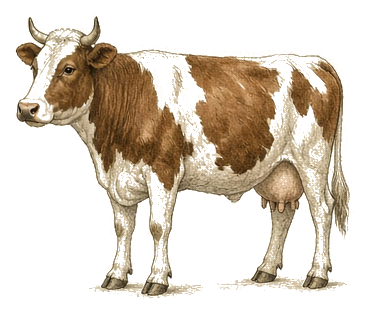
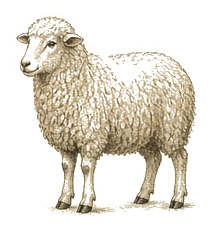
A study sheet for telling, as Leviticus 11:47 says, the unclean from the clean, and the animals that may be eaten from those that may not. The drawings illustrate the classes. They are not a zoological key for a doubtful case. They are new plates, one paper and one line, in the manner of natural-history plates: no published series gathers all of these animals in a single style. A fish with fins and no scales is out. A bird that is not on the unclean list is in, even though this page does not draw every clean bird in the world.

Source texts: Leviticus 11 and Deuteronomy 14. The Spanish names follow the Reina-Valera 1960. The 1909 revision, which is in the public domain, is cited only where it translates differently. The section above cites the medical and public-health studies on those classes, each one with its paper.